
Troubleshooting Common Issues In Kenworth W990 Heavy-Duty Trucks

Troubleshooting Common Issues in Kenworth W990 Heavy-Duty Trucks
In the world of heavy-duty trucks, the Kenworth W990 is a name that resonates with power, reliability, and performance. This truck, a favorite among fleet managers and truck owners, is a testament to Kenworth's commitment to quality and durability. However, even the most robust machines can encounter issues, and the W990 is no exception.
This guide explores common Kenworth W990 problems, including electrical failures, brake system issues, engine overheating, interior malfunctions, and performance concerns. Understanding these problems and their warning signs can help you maintain your truck's reliability and reduce unexpected downtime.
The Kenworth W990: A Brief Overview
Before diving into common issues and their solutions, it's essential to understand what sets the Kenworth W990 apart in the world of heavy-duty trucks. Designed for demanding hauling operations, the W990 combines diesel engine performance, durability, and driver comfort.
The Kenworth W990 is available in several configurations, including:
- Kenworth W990 Day Cab: Designed for operations that don't require overnight sleeper accommodations.
- Kenworth W990 Flat Top: A sleeper configuration with additional living space and a lower-profile roof design.
- Mid-Roof Sleeper: Provides additional space and amenities for drivers spending extended periods on the road.
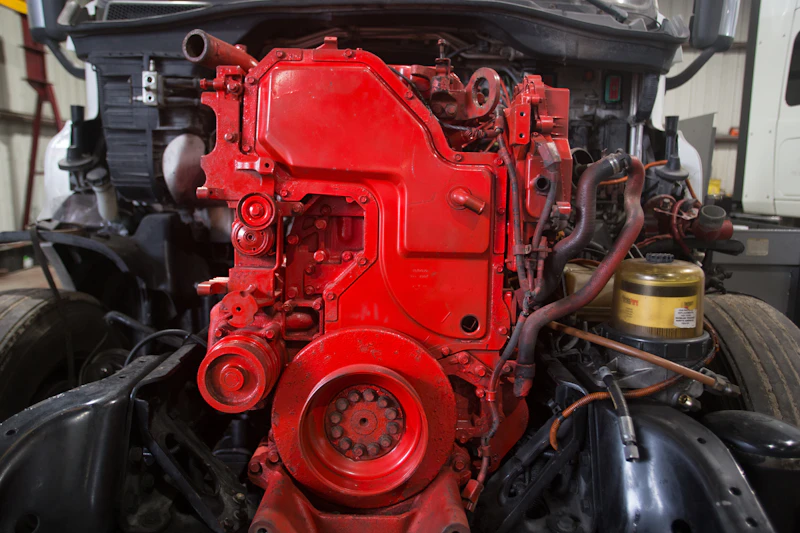
Depending on the model year and specifications, W990 trucks may feature PACCAR MX-13 or Cummins X15 diesel engines, different transmission options, and electronic driver assistance systems.
Although these trucks are built for demanding applications, problems can develop as components age and mileage increases. Recognizing early warning signs can help prevent more serious mechanical failures.
Common Issues in Kenworth W990 Trucks
Electrical System Issues
One of the most common areas of concern in Kenworth trucks, including the W990, is the electrical system. Problems can appear in various ways, such as difficulty starting the truck, flickering lights, or malfunctioning electronic controls.
The root cause can range from a drained battery or faulty alternator to damaged wiring and poor electrical connections.
Common electrical problems include:
- Battery Problems: Weak or discharged batteries can cause slow cranking, hard starting, or complete starting failure.
- Alternator Failures: A faulty alternator may prevent the batteries from charging properly, resulting in dimming lights or electrical system warnings.
- Damaged Wiring: Corroded terminals, loose connectors, and deteriorating wiring can interrupt electrical signals.
- Starting System Issues: Faulty starter components, relays, or electrical connections can prevent the engine from starting.
- Electronic Control Problems: Communication faults or unstable electrical power can interfere with vehicle monitoring and electronic systems.
In some cases, the issue might be as simple as a drained battery, which can be resolved by recharging or replacing it after identifying the cause. In other situations, the alternator may be responsible for repeated electrical failures.
Regular inspections can help identify damaged wiring, weak batteries, and charging system problems before they leave your Kenworth W990 stranded.
Brake System Problems
Heavy-duty trucks like the Kenworth W990 rely on robust brake systems for safety. However, issues such as air leaks, worn brake pads or linings, and malfunctioning ABS components can occur.
Regular brake inspections and timely replacement of worn components are essential for maintaining safe braking performance.
Common Kenworth W990 brake problems include:
- Air Brake Leaks: Damaged air lines, fittings, or brake components can cause pressure loss and affect braking performance.
- Worn Brake Components: Excessively worn pads, linings, drums, or rotors can reduce braking effectiveness.
- ABS Warning Lights: Faulty wheel speed sensors, wiring, or ABS components can trigger dashboard warnings.
- Uneven Braking: Mechanical problems or improperly functioning brake components may cause inconsistent braking.
- Low Air Pressure Warnings: Air compressor problems or system leaks may prevent the brake system from maintaining appropriate pressure.
The Anti-lock Braking System (ABS) helps prevent wheel lockup during braking, allowing drivers to maintain better control. If the ABS warning light remains illuminated, the system should be professionally diagnosed.
Air leaks and other braking problems should be addressed immediately. A truck with unsafe braking performance should remain out of service until the problem is corrected.
Engine Cooling Problems
The Kenworth W990's powerful diesel engine generates considerable heat, and the cooling system is designed to manage it. However, problems involving the radiator, thermostat, coolant circulation, or cooling fan can cause overheating.
Regular coolant checks and cooling system inspections can help identify developing problems before they result in engine damage.
Common cooling system problems include:
- Radiator Leaks: Coolant loss from a damaged radiator or connection can cause overheating.
- Thermostat Malfunctions: A thermostat that fails to regulate coolant flow properly can contribute to abnormal engine temperatures.
- Clogged Cooling Components: Restricted coolant circulation or blocked radiator fins can reduce cooling efficiency.
- Water Pump Problems: A damaged or failing water pump may prevent proper coolant circulation.
- Cooling Fan Issues: Fan or fan control problems can reduce airflow through the radiator under certain operating conditions.
A leaking radiator can lead to coolant loss, while a faulty thermostat may prevent the engine from maintaining its intended operating temperature.
Cooling system contamination or restrictions can also interfere with proper coolant flow. Appropriate coolant replacement, system inspections, and flushing when necessary can help maintain cooling performance.
If your Kenworth W990 repeatedly overheats, have the underlying problem diagnosed before continued operation causes additional engine damage.
Kenworth W990 Tuning, Engine Performance & ECM Problems
The Kenworth W990 has been offered with diesel engines such as the PACCAR MX-13 and Cummins X15, depending on the truck's model year and configuration. These engines rely on electronic control modules (ECMs), sensors, and engine management software to regulate performance.
Although Kenworth W990 tuning is often associated with horsepower and torque adjustments, poor engine performance doesn't necessarily mean the ECM needs reprogramming.
Mechanical failures, electrical problems, and emissions system faults can produce similar symptoms.
Common engine performance problems include:
- Reduced Engine Power: Fuel delivery restrictions, turbocharger problems, or active engine fault codes can reduce acceleration and pulling power.
- ECM Communication Problems: Damaged wiring, faulty connections, or electronic communication failures can interfere with engine operation.
- Poor Throttle Response: Faulty sensors, fuel system problems, or engine operating conditions can affect throttle performance.
- Unexpected Engine Derates: Emissions-related problems, overheating, and other protective conditions may cause reduced engine output.
- Engine Calibration Issues: Incorrect or incompatible ECM programming can interfere with normal engine operation.
A professional diesel mechanic can inspect the affected systems, retrieve diagnostic fault codes, and identify the underlying cause.
Proper engine diagnostics help avoid unnecessary component replacements and ensure that mechanical problems are addressed before changes to engine programming are considered.
Instrument Cluster Issues
The instrument cluster in Kenworth W990 trucks can sometimes present issues, such as gauges sticking, providing incorrect readings, or failing completely.
These problems may originate from faulty components within the cluster itself, damaged wiring, or communication failures between electronic modules.
Common instrument cluster problems include:
- Inaccurate Gauge Readings: Engine temperature, fuel level, or other vehicle readings may become unreliable.
- Intermittent Display Failures: Dashboard screens or gauges may stop working temporarily.
- Persistent Warning Lights: Warning indicators may remain illuminated because of active faults or electrical problems.
- Communication Failures: Electronic network problems can interrupt information reaching the instrument cluster.
- Damaged Electrical Connections: Loose connectors or wiring damage can affect dashboard operation.
A professional truck repair service can help resolve these issues by inspecting connections, retrieving fault codes, and testing the affected components.
Accurate instrument readings are essential for monitoring engine temperature, air pressure, vehicle speed, and other important operating conditions.
Kenworth W990 Interior & Cab Electrical Problems
The Kenworth W990 interior is designed around driver comfort, visibility, and accessibility. Depending on the configuration, the cab may feature electronic dashboard displays, climate controls, power accessories, and additional electrical equipment.
When these systems malfunction, drivers may encounter problems ranging from inconsistent heating and cooling to electronic accessories that stop responding.
Common Kenworth W990 interior problems include:
- Dashboard Display Failures: Intermittent readings, warning indicators, or malfunctioning electronic displays.
- HVAC Control Problems: Inconsistent cab temperatures, poor airflow, or unresponsive climate controls.
- Power Accessory Failures: Problems with power windows, interior lighting, door locks, or other electronic accessories.
- Electrical Connection Issues: Loose wiring, corroded terminals, damaged connectors, or blown fuses.
- Cab Warning Indicators: Persistent warning messages requiring electronic diagnostics.
Interior electrical problems can become particularly frustrating for drivers who spend extended periods on the road. Malfunctioning displays may interfere with vehicle monitoring, while HVAC failures can affect comfort and visibility.
When several interior systems fail simultaneously, technicians should inspect shared electrical circuits and communication networks rather than assuming each component has failed independently.
Kenworth W990 Day Cab & Flat Top Maintenance Considerations
The Kenworth W990 is available in different cab configurations, including day cab, flat top sleeper, and mid-roof sleeper arrangements.
Although these trucks share many mechanical systems, their operating environments and installed equipment can create different maintenance requirements.
For example, a Kenworth W990 day cab operating on regional routes may experience frequent stops and repeated braking. Sleeper configurations used for longer routes may experience extended engine operation and greater use of cab electrical accessories.
Important maintenance considerations include:
- Day Cab Operations: Inspect brake components, transmission systems, and cooling systems according to driving conditions.
- Flat Top Sleeper Systems: Check sleeper climate controls, electrical connections, and auxiliary equipment where installed.
- Cab Mounts & Suspension: Inspect worn mounts, bushings, and suspension components that can cause excessive vibration.
- Electrical Accessories: Monitor battery condition, charging performance, and accessory circuits.
- Maintenance Scheduling: Consider mileage, engine hours, idle time, vehicle loads, and operating conditions.
Understanding how your Kenworth W990 is configured and operated can help identify which components require closer attention.
Regular inspections based on the truck's workload can also help prevent unnecessary downtime and maintain driver comfort.
Kenworth W990 Dump Truck & Vocational Maintenance
While the Kenworth W990 is commonly associated with highway transportation and heavy hauling, certain configurations are also used for vocational applications, including dump truck operations.
A Kenworth W990 dump truck may experience demanding conditions involving heavy loads, rough jobsites, frequent braking, and low-speed operation.
These conditions can place additional stress on the suspension, drivetrain, braking system, and installed vocational equipment.
Important vocational maintenance areas include:
- Suspension & Axle Components: Inspect springs, bushings, mounts, and axle-related components for damage or excessive wear.
- Brake System Performance: Check air brake operation, friction components, and air system integrity.
- Hydraulic Equipment: Inspect installed hydraulic hoses, fittings, connections, and controls for leaks or malfunctions.
- Transmission & Driveline: Investigate unusual vibrations, shifting concerns, and worn driveline components.
- Cooling System Performance: Monitor engine temperatures and inspect cooling components during demanding hauling operations.
Hydraulic problems on dump truck configurations may also interfere with body operation. Leaking connections, damaged hoses, and malfunctioning controls should be addressed before the equipment is used.
Regular inspections based on the vehicle's operating conditions can help identify mechanical problems before they interrupt hauling schedules.
Preventive Measures and Regular Maintenance
Prevention is always better than cure, which also holds for Kenworth W990 trucks. Regular maintenance and inspections can help identify potential issues before they become serious problems, saving you time and money in the long run.
Regular oil changes help keep the engine running smoothly, while brake inspections help maintain vehicle safety. Electrical system inspections can reveal developing faults, and regular coolant checks help prevent overheating.
Essential Kenworth W990 preventive maintenance tasks include:
- Engine Oil & Filter Changes: Follow manufacturer-recommended service intervals and use approved lubricants.
- Brake System Inspections: Examine air lines, brake chambers, friction components, and related systems for wear or leaks.
- Cooling System Maintenance: Check coolant levels, inspect hoses and connections, and address leaks or abnormal temperatures.
- Electrical System Testing: Inspect batteries, alternators, wiring connections, and electronic components.
- Transmission & Driveline Inspections: Monitor applicable fluid conditions and investigate unusual vibrations.
- Suspension & Steering Checks: Examine springs, bushings, steering components, and related hardware for excessive wear.
- Emissions System Monitoring: Address DPF, SCR, DEF system, and engine-related fault codes before they cause additional operating problems.
Preventive maintenance schedules should reflect the truck's engine, transmission, model year, mileage, and operating conditions.
For fleet managers operating multiple Kenworth W990 trucks, documenting inspections and recurring repairs can help identify developing problems and improve maintenance planning.
When to Seek Professional Help
While some issues can be resolved with regular maintenance and basic troubleshooting, others require professional assistance.
If you're experiencing persistent problems with your Kenworth W990 or are unsure how to resolve an issue, seeking help from a qualified heavy-duty truck mechanic can prevent further damage.
Problems that warrant professional diagnostics include:
- Repeated Engine Derates: Persistent power loss or recurring engine fault codes.
- Brake System Malfunctions: Air pressure loss, ABS warnings, or unsafe braking performance.
- Electrical Failures: Recurring starting problems, charging issues, or multiple malfunctioning electronic components.
- Engine Overheating: Coolant loss, abnormal engine temperatures, or repeated cooling system failures.
- Instrument Cluster Problems: Unreliable dashboard readings or persistent warning indicators.
A qualified mechanic or specialized truck repair service can diagnose these problems using appropriate equipment and inspection procedures.
Accurate troubleshooting helps identify the underlying cause rather than repeatedly replacing components based on symptoms alone.
Frequently Asked Questions About Kenworth W990 Problems
What Are the Most Common Problems With Kenworth W990 Trucks?
Kenworth W990 trucks can experience electrical failures, air brake problems, engine cooling issues, instrument cluster malfunctions, and reduced engine performance. Specific problems depend on mileage, maintenance history, and operating conditions. Regular inspections and professional diagnostics can help prevent unexpected breakdowns.
Why Is My Kenworth W990 Losing Power?
A Kenworth W990 may lose power because of fuel system restrictions, turbocharger problems, faulty sensors, or emissions-related issues. Active fault codes may also trigger an engine derate. A diesel mechanic can use diagnostic equipment to identify the underlying cause and determine the appropriate repair.
What Causes Electrical Problems in a Kenworth W990 Interior?
Kenworth W990 interior electrical problems can result from damaged wiring, corroded connections, faulty switches, blown fuses, or electronic communication failures. Symptoms may include malfunctioning dashboard displays, power accessories, and HVAC controls. Electrical testing helps identify the source.
Are There Different Maintenance Requirements for a 2026 Kenworth W990?
A 2026 Kenworth W990 may have different maintenance requirements depending on its engine, transmission, cab configuration, and installed equipment. Owners should follow the maintenance schedule specified for their vehicle and investigate recurring warning lights, performance changes, or electrical problems using manufacturer-appropriate diagnostics.
Does a Kenworth W990 Day Cab Require Different Maintenance Than a Flat Top Sleeper?
Kenworth W990 day cab and flat top sleeper configurations share many mechanical systems, but operating conditions affect maintenance priorities. Regional day cab operations may involve frequent braking and shifting, while sleeper trucks may experience extended idling and greater use of cab electrical accessories.
Final Words
Troubleshooting common issues in Kenworth W990 trucks doesn't have to be daunting. Understanding potential problems and recognizing their warning signs can help keep your fleet on the road and reduce unexpected downtime.
Electrical failures, brake problems, engine overheating, interior malfunctions, and ECM-related performance concerns all require proper attention. Regular preventive maintenance and accurate diagnostics can help prevent more serious mechanical problems.
At Elite Truck & Fleet Service, we understand the importance of running your fleet smoothly. Our experienced technicians are equipped to handle a wide range of issues in Kenworth trucks, including the W990.
Don't let common issues slow you down. Contact Elite Truck & Fleet Service today, and let us help you keep your fleet on the road.
More Articles

How to Identify ECM Fault Codes and What They Mean
How Fleets Decide Between an Engine Rebuild or Full Replacement

How Preventive Fleet Services Reduce Unexpected Downtime
Contact Elite Truck & Fleet Service
Need truck or diesel repair in Lorton, Virginia? Contact Elite Truck & Fleet Service to schedule a repair, discuss preventive maintenance, or get help with your commercial fleet. Our experienced team is ready to answer your questions and help you find the right solution to keep your vehicles running reliably and your business moving.